Why we build the demo before the first call
For projects we think we are right for, we research the business and build a working demo of its website before the first conversation. What it costs you, what it tells both sides, and why a proposal could never do the same job.
Most agencies open with a proposal: a deck, a timeline, a price, and a promise that the work will be good. You are asked to commit money to a description of design. We think that is the wrong way round, so for the projects we believe we are right for, we open with the site.
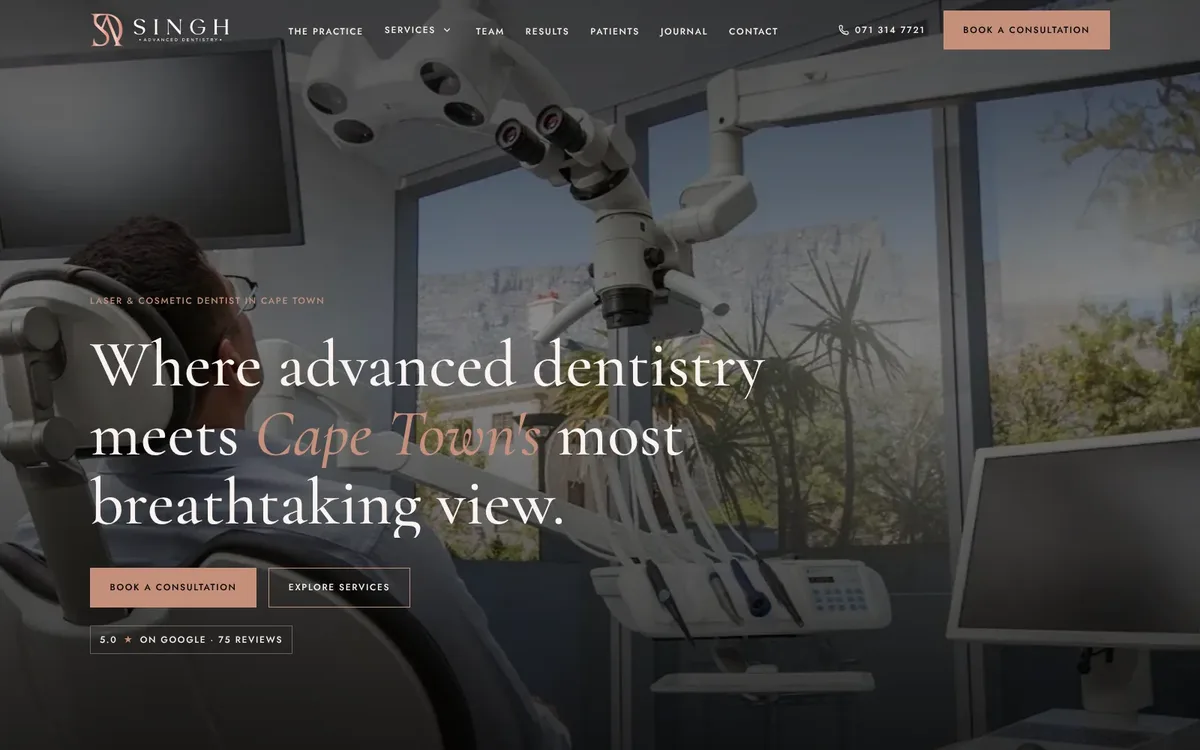
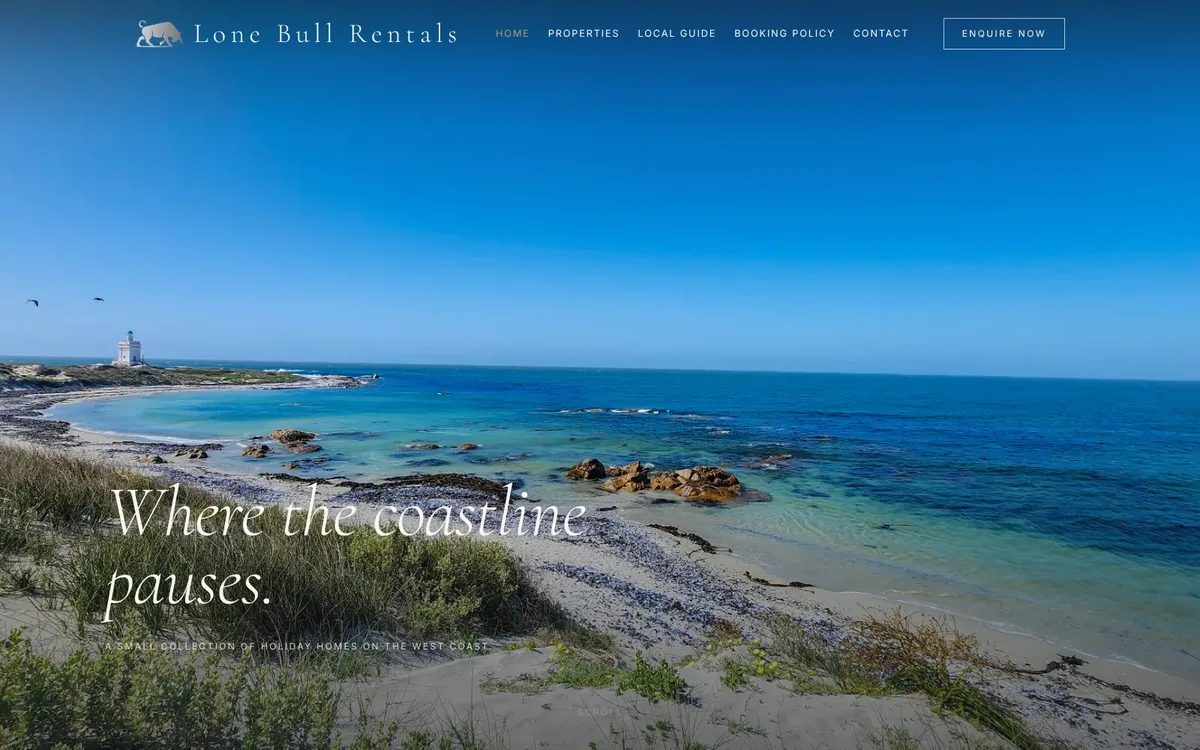
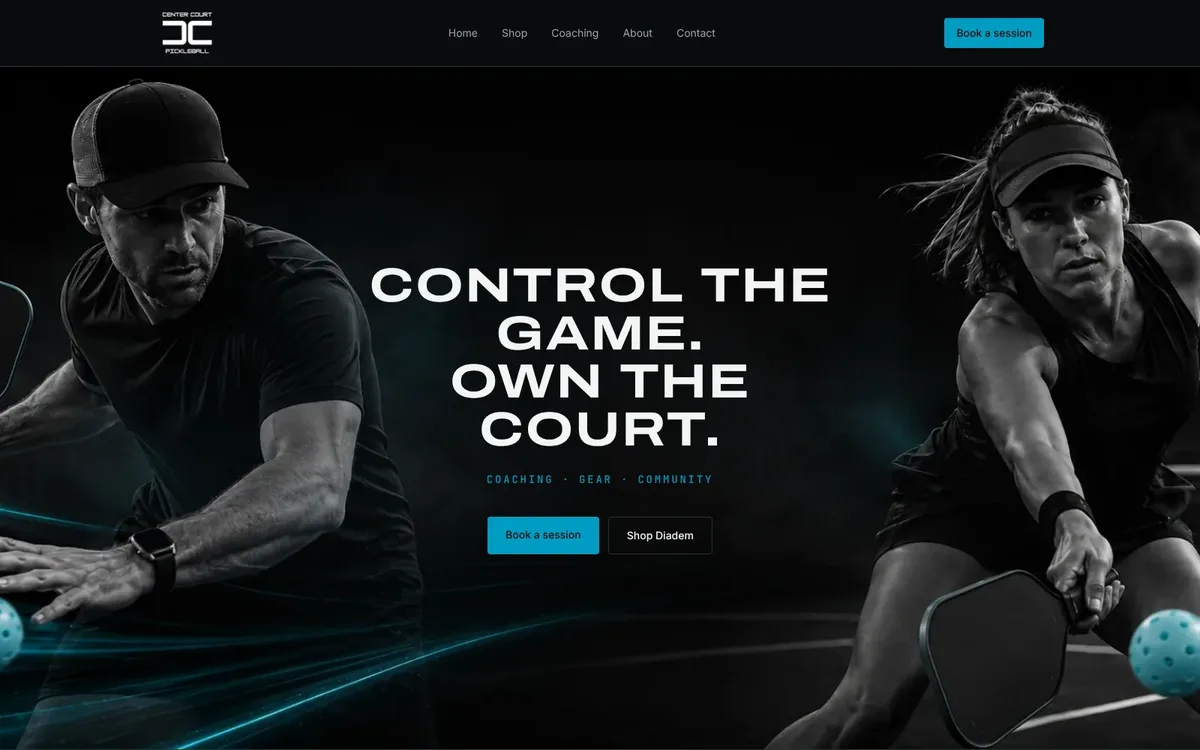
Before the first conversation, we research the business and build a working demo of its website: a real homepage, real navigation, the actual services and locations, imagery in the right register, published on a private address you can open on your phone. Then we talk.
Who gets one, and why not everyone
Not every enquiry gets a demo. We look at the business, its market and what the site would have to do — take bookings, sell from a catalogue, feed from a listings system, carry a brand that deserves care — and ask whether it is a project we would do well. If it is not, we say so, and where we can we point to someone better placed. The demo is an investment of real design time, and it is worth making only where we expect to earn it back in a project that goes well for both sides.
What it costs you
Nothing, and nothing is implied. The demo is built from what is already public about your business — your current site, your listings, your reviews, your social accounts, the way your competitors present themselves — so we do not need your time to produce it. If you decide to go no further, you have lost nothing but ten minutes looking at it, and you keep a clear picture of what a new site could be.
What it tells us
A demo is a better brief than any questionnaire. People struggle to describe what they want from a website and find it very easy to react to one. Within a few minutes of looking at the demo we hear the things a discovery call would take an hour to surface, if it surfaced them at all: that the practice wants to feel calmer than this, that the villas should lead with the view not the interiors, that the one service we gave a small line is the one that makes the money. The reactions become the brief; the brief becomes a written scope with a fixed price for that agreed scope.
The demo also tells us about fit. Some businesses look at it and see a starting point; some see a finished thing and want to go live next week; some realise they want something we do not do. All three are useful to know before anyone has paid for anything.
What it tells you
You judge real design and real capability, not a portfolio of other people's sites. You see how we handle your kind of content — a treatment list, a property collection, a product catalogue — and how it behaves on a phone. If the demo is wrong, you have learned that for free. If it is right, the project starts from something concrete rather than from a blank page, and the first design round is a refinement rather than a reveal.
Why it works for us
It looks like a risk and behaves like a filter. A demo costs us design time, but less than a proposal process that goes nowhere, and far less than a project that starts on a misunderstanding. Businesses that have seen their own site before they have had a call tend to decide clearly, and projects that begin from a demo tend to stay in scope, because the scope was written against something both sides had looked at.
It is also the honest version of selling design. We build websites and the systems behind them; the least we can do is show you one of ours, for you, before we ask you to pay for it.
What happens after
If you want to go ahead, a structured discovery session follows on your brand, audience and goals, and you receive a written scope and a fixed price for it. Design moves from the demo to two refined directions, then one. The build connects the systems your business runs on — booking, listings, payments, CRM — and launch includes handover of the code and thirty days of support. The demo is the first step of that process, not a separate thing; everything you liked in it survives into the site.
If you would like to see your business this way, tell us about it. If it is a project we are right for, the next thing you receive is a link.
Frequently asked
Is the demo really free?
Yes. For the projects we take on, the demo is free and without obligation. It is built from publicly available information about your business, so it needs nothing from you.
How long does the demo take?
Usually within days of the first contact, depending on how much there is to research. You receive a private link to open on any device.
Do we have to use the demo's design?
No. The demo exists to start the conversation. The project's design is developed with you from your reactions to it, and we present two directions before refining to one.